Poland Blog Post
May 11, 2019
Note: This blog post is actually being submitted as an assignment for my Jewish History class. It’ll follow a different structure and will also be publicly accessible on my teacher’s website.
Tykocin was our first day of Poland. Nervous but filled with interest for the days ahead, our class got off the bus and went to several sites in the village of Tykocin: We spent time in the richly decorated synagogue, we walked around town to view different aspects of life, and, finally, we went to a site in the forest where all the Jews in Tykocin were bloodily shot and killed by the Nazis.
When we first got off the bus, we went directly to a small Jewish graveyard. The fact that the graveyard is still in existence today shows how the Jews peacefully coexisted with other Poles in the early 1900s. They felt no reason to tear down the graveyard and, though unused and unvisited, they still consider it a part of their community.
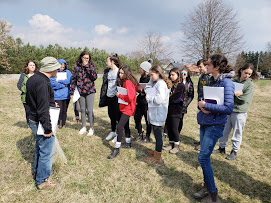
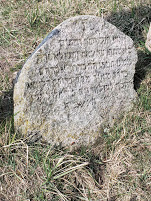
The old Jewish graveyard in Tykocin, no longer used
Later, we went to a beautiful synagogue with a separate museum displaying artifacts from pre-WWII times. The walls were beautifully decorated and the ark was in the middle of the room, a custom used in many older European synagogues. We came back to the synagogue later in the day where we held a joyful prayer service.
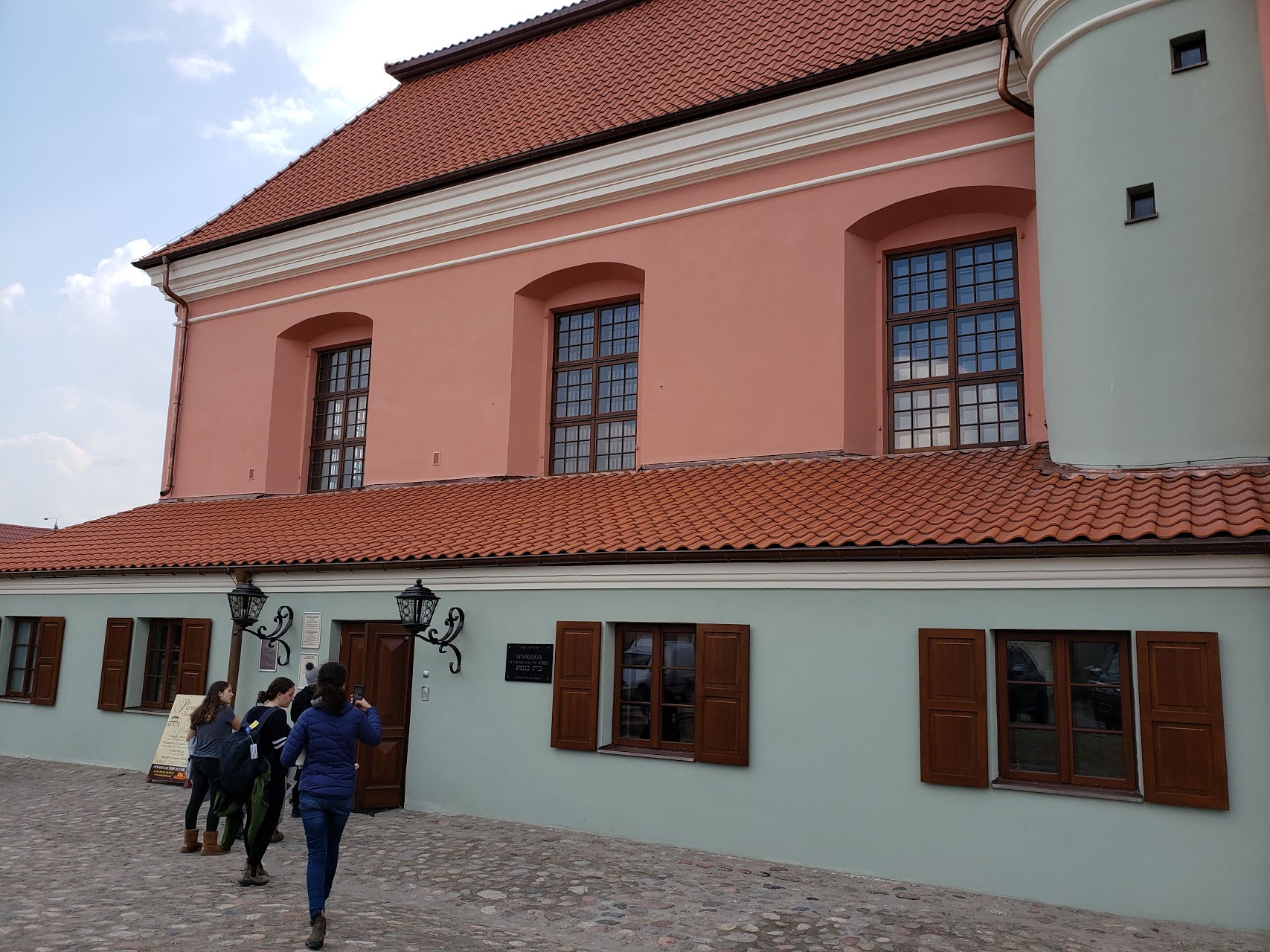
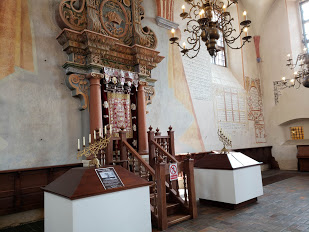
The beautiful synagogue in Tykocin, complete with a separate museum display of artifacts
After viewing the graveyard and the synagogue, we walked around the small village and observed various areas such as the river used for transportation and the square where merchants gathered to trade products. Once again, this was to give us an accurate representation of what life was like for Polish Jews before WWII.
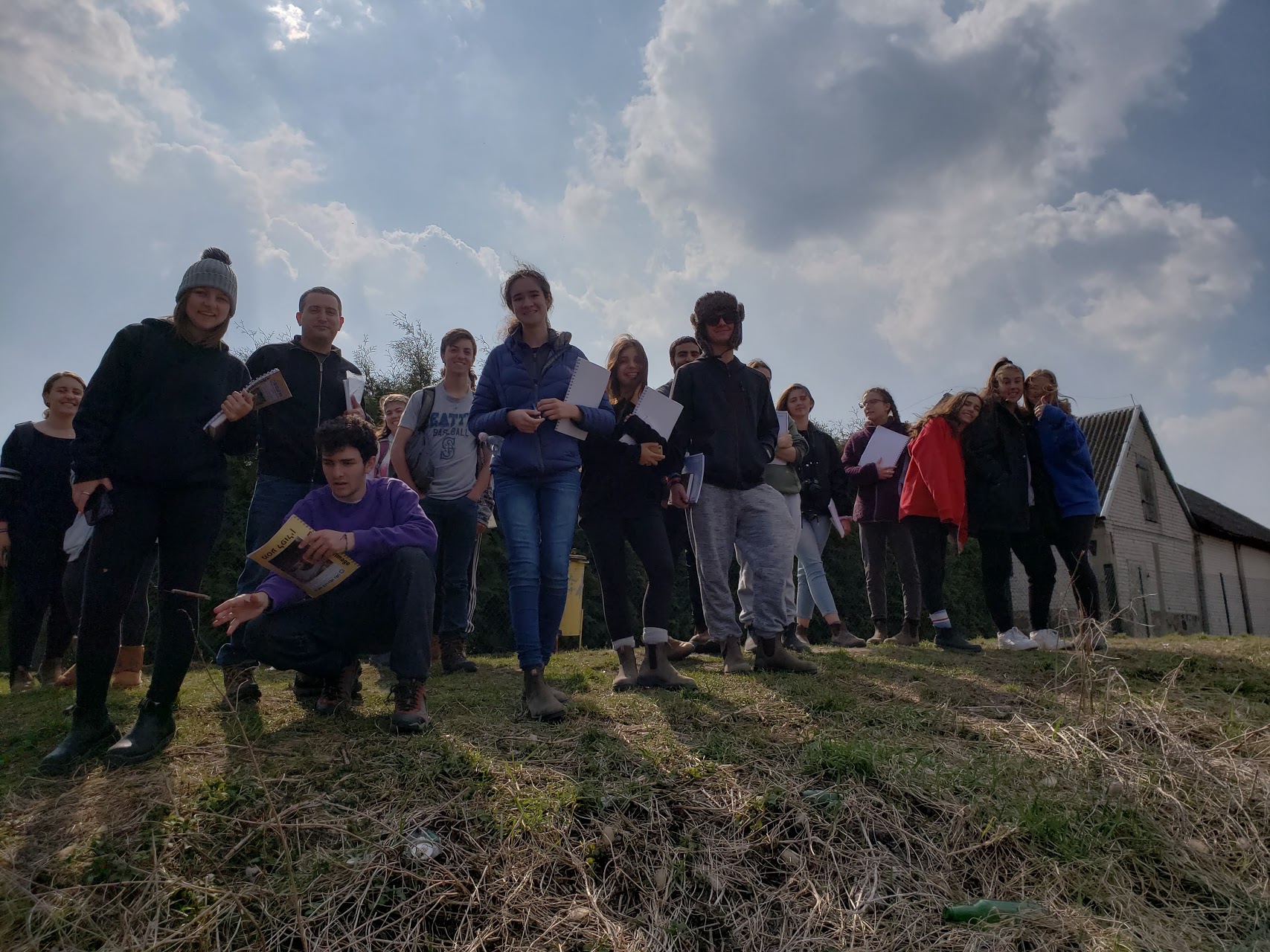
Our class at the river that was used for transporting goods
We went back to the synagogue where we engaged in a beautiful and vibrant prayer service, complete with dancing and loud joyful singing. We were told we should bring life back to the old synagogue, so everyone participated.
After viewing pre-Holocaust life in Tykocin, we later went to the forest. We had a shrewd suspicion as to what may have happened in the forest, but being told to remain in complete silence on the bus ride to the forest confirmed our fears. We walked into the forest and were told Tykocin was one of the many cities where Germany, over a period of only a couple weeks, brought all the Jews into the forest, forced them to dig their own graves, and shot them. We went to a memorial site, the place where hundreds of Jews were bloodily murdered. This was our first exposure to the Holocaust and the spontaneousness of it, seeing as we followed the paths of our ancestors through their daily lives and eventually their paths to death.
What really hit hard for me and many other students was the spontaneousness of it all. Witnessing the joy on everyone’s face give way to somberity over the course of minutes proved to me how fast and shocking the Holocaust must have been - to one day be living peacefully in a small Polish village and the next to be herded out of your house and shot in a forest. Tykocin was my first physical exposure to the Holocaust and prepared me for the days to come.
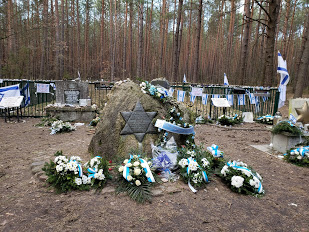
Tykocin forest memorial site
The events in this post took place on March 31, 2019. Since this post is so long overdue, please note that I don't feel like I accurately capture the essence of what I experienced.